

creativity and the 9-5
noticing the egg cups and tea towels of your life

It’s been quite a while since I measured the success of my days in productivity. As a student, it was all about how many hours of revision I could do, how many words of an essay I could write, how many sets of vocab memorised. I was studying for a degree I was genuinely passionate about, which my future self would pay for through student loan deductions from my salary. Unproductive days were, at that time, inexcusable. Now, outside of my 9-5 work schedule, my priorities have shifted to allowing for rest, sleeping more and longer at the weekend, and seeing my loved ones. Things I took mostly for granted as a student, but that now glimmer like rare jewels in the distance, closer but further than ever: Gatsby’s green light.
In spite of this realignment, as I have recently found myself the proud owner of a limited period of unemployment between the end of my old job and the start of a new one, I am desperate not to waste it. I dare not call it productivity — rather, fruitfulness is what I’m aiming for out of these precious days. Rest is great, but I have frankly spent my four-week notice period resting as much as I could, as well as rehabituating myself to eating three meals a day, sleeping enough hours at night for my body, and regularly exercising. Now I want to write, as my job has deprived me of for so much of this year. Not just journal entries and articles, but my long evaded novel, too, whose once mapped out plot I have entirely forgotten. I want to go out during the work day, enjoy off peak public transport, lie in the park under the post-winter sun I am so grateful for. I want to hike while my mind wanders and come back and write down all aforementioned wanderings. How much time is there without the eight hours a day at work! How much space, when you don’t have someone else’s goals colonising your mind all day.
This stretch of time looms vastly more threateningly than a Sunday evening, telling me to hurry up and fit all of my hobbies and passions in now, and quickly make them habits before it’s too late. I don’t respond well to threats: I have shut down and spent half the day watching reality TV. Although a ticked-off to do list and a few thousand words written up before I start work again would bring me satisfaction and quell my self-punitive streak, I think I need to find sustainable ways to make the limited time outside of work last longer going forwards. I can’t rely on the cycle of burning out and having time off, as I have done for the past eighteen months. And there are ways to stretch time, make it count for more, among them including disrupting your routine and seeing new things. Time feels longer when your brain is processing new information and slower with a repeated, autopilot routine. That’s why childhood seemed to last forever, but my twenties have run past me.
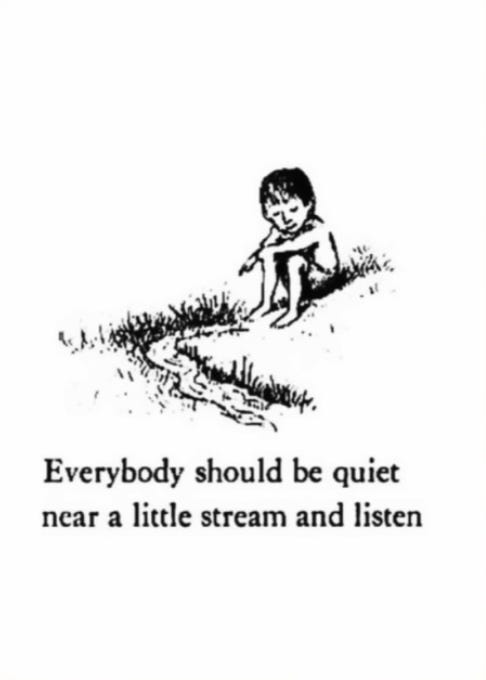
By this logic, looking to manipulate time as far as possible, between the end of my old job and the start of my new one, I have:
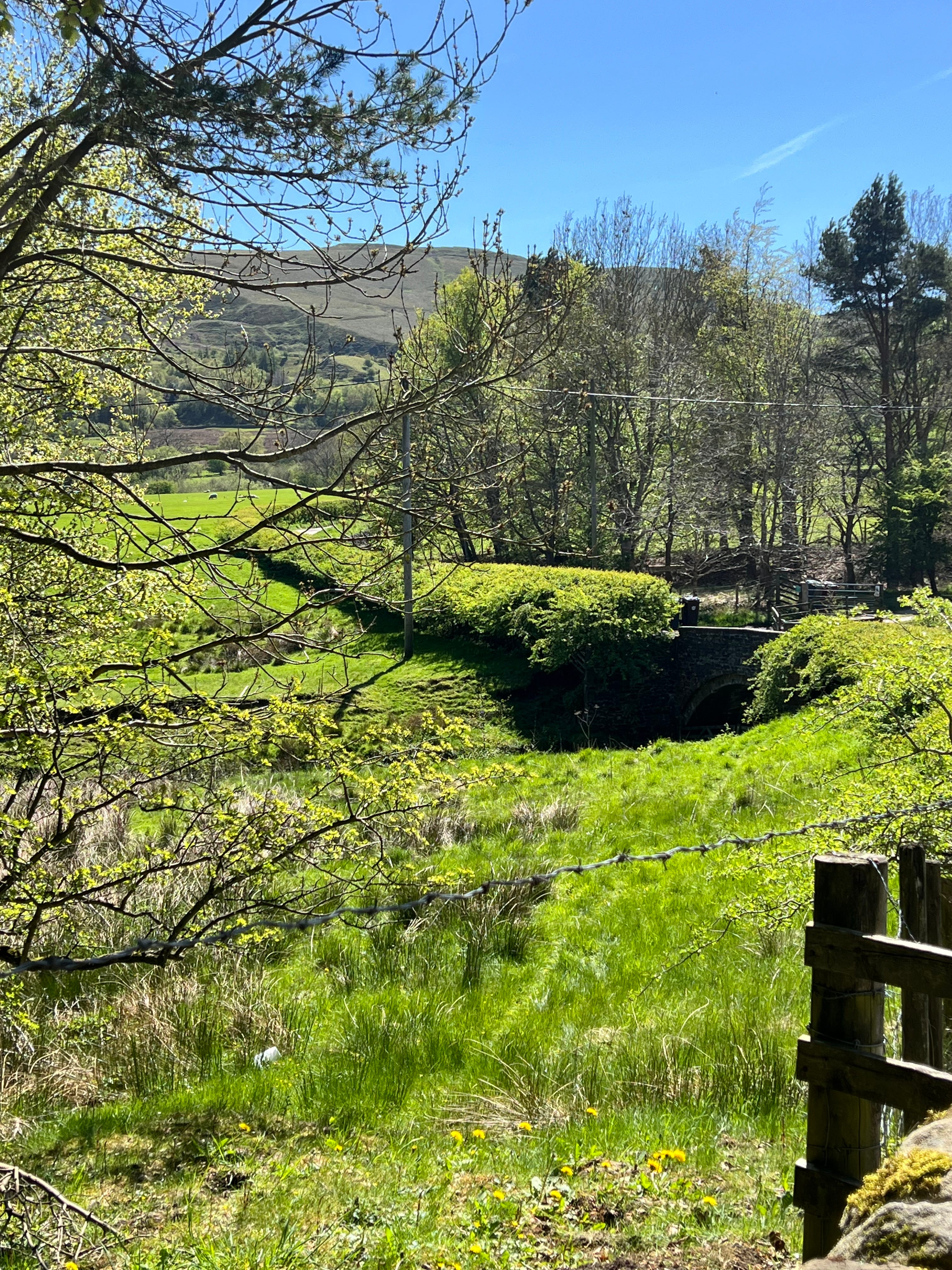
• Hiked solo in the Hope Valley with no signal on my phone and no headphones on. Just the rush of wind in my ears and the joyful burn in my leg muscles. At the summit of Mam Tor, I wrote some deeply terrible poems and ate an egg and cress sandwich
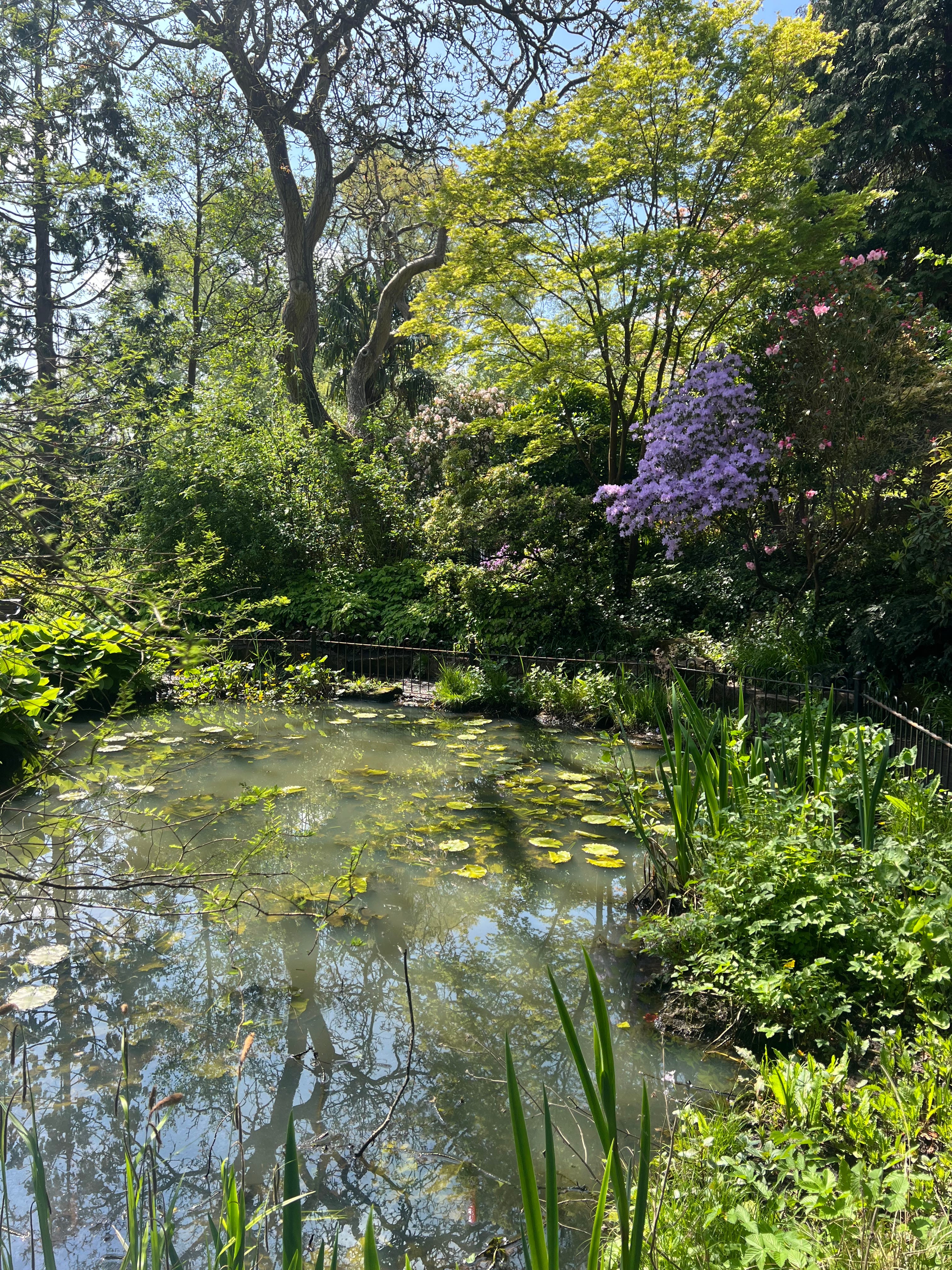
• Visited a new botanical garden and walked in a loop around it, listening to the birds and the River Mersey sing
• Dwelled on art at the Whitworth Gallery. I also drew and coloured in some figs in an exhibition room called ‘Drawing as Play’. It reminded me of Julia Cameron’s idea that artists need to play in order to be able to create. So I made some shitty art for fun and it did feel worthwhile
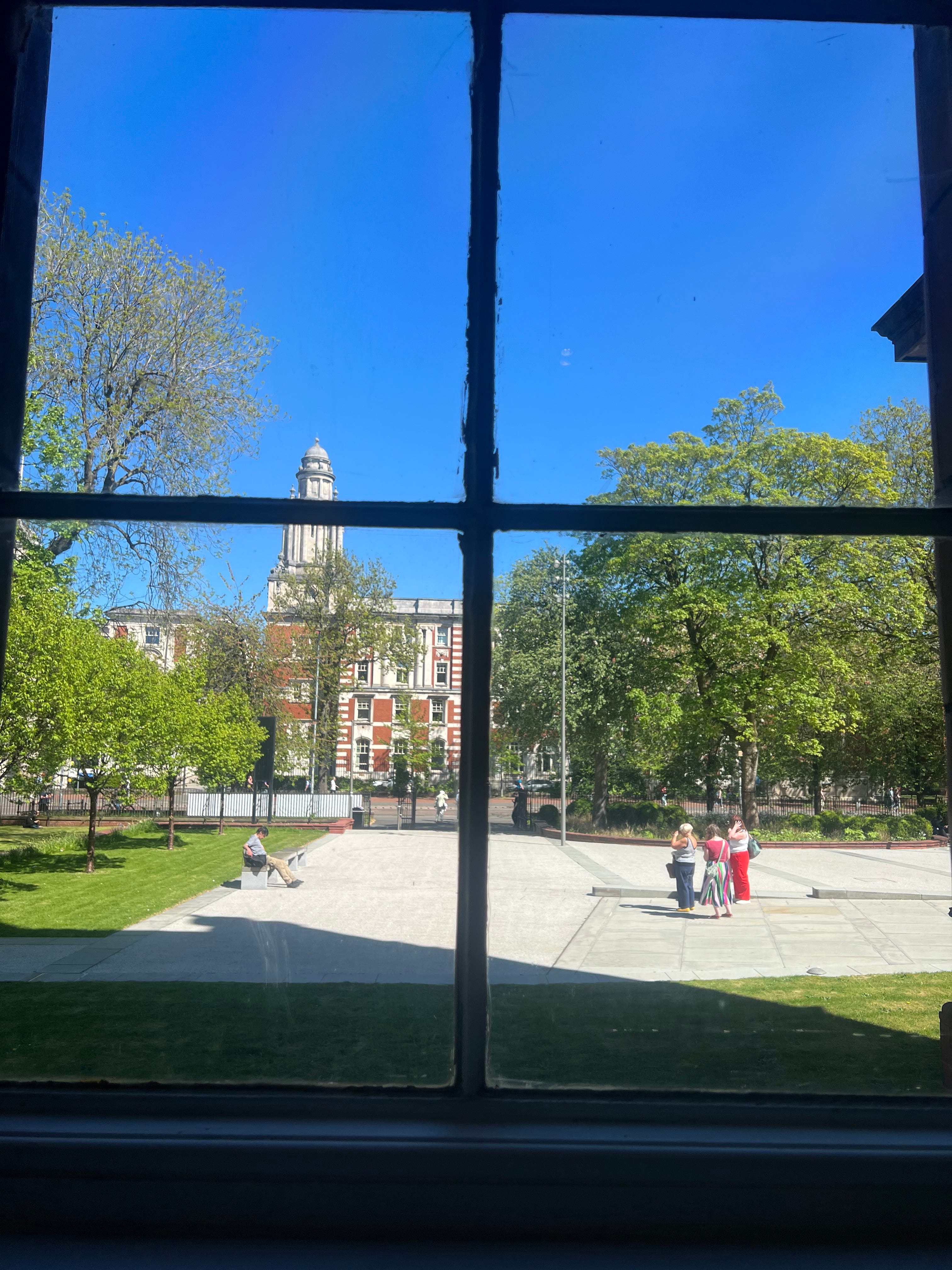
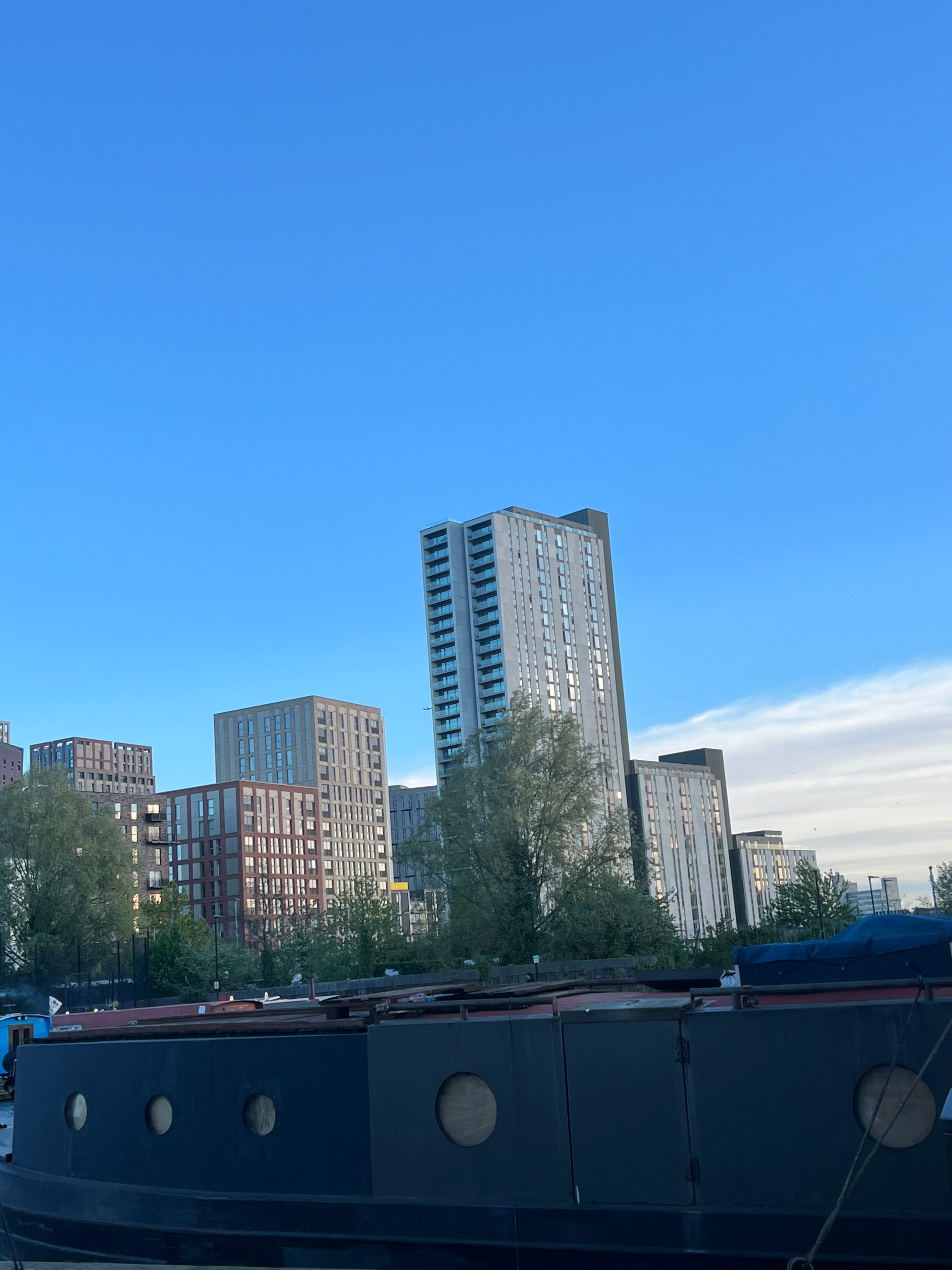
Aside from these activities, I have also been allowing myself to look at my surroundings and get bored. The skill to be bored is equally paramount to creating. And the more I do this, the less bored I get. Watching the sky change colour in the spring sun at the marina proved more entertaining than I could have imagined just a couple of months ago. Attention is something that is paid. It is currency. We are living in an attention economy: it matters where we direct it. If we direct it towards the sun and how our cheeks feel underneath its rays, the mountains and how our leg muscles cry out when we climb their ridges, we will understand ourselves better, we will become more authentic, and, ultimately, we will create more art as well as art that is more true to us.

Jobs, I’m learning, are like the ocean: we fall into them and get carried away. The waves bring us back and we try a new path inwards again. I don’t know how many journeys towards and away from the shore I’ll have in my life — I don’t know whether I’ll ever be able to quit them all and call myself a writer. But how can I not try? How can I not at least struggle against the tide, until that nomenclature is mine?
And in the meantime, life is meant to be enjoyed, and it doesn’t have to be extraordinary for that to happen. Life is meant to be lived, oscillating between noun and verb as it reveals its secrets to us. Reading this article of an interview with comedy icon Bob Mortimer, who survived a triple heart bypass, has only reaffirmed to me that the universe’s secrets are not as inscrutable as we might think. They are, in fact, utterly mundane.
What made him upset wasn’t the fact life was rapidly evacuating him like sand through a sieve. What made him sad were the things he ignored on a daily basis: his loyal egg cup, stood proudly on the shelf; the tea towel that hangs resolutely from his oven.
This time seeing new things and paying more attention to what I’m experiencing has led me to the following conclusion: we need to be experiencing awe. Not every day, maybe, but at least on a repeat subscription. A quick dose of a mountaintop. A new bookshop with a selection curated like a puzzle, an arrangement you have to work out. When we’re stuck, feeling awe switches us back on and allows us to feel the magic in our everyday. Because awe doesn’t have to lie outside of the ordinary: it can just be new things that amaze you, that help you step outside yourself for a moment and realise the magic you already have at home, within yourself. Then you will start to see and be thankful for the mundane but steadfast parts of your life. Like Bob’s egg cup and tea towel.
a video i keep coming back to on this topic:
If you’re a creative person in a 9-5, let me know how you keep nurturing your creativity and, if you enjoyed this conversation, please consider subscribing below <3
The line about attention being currency stopped me. It’s so easy to spend it badly, on autopilot, on other people’s noise and then wonder why nothing feels like material. The egg cup and tea towel bit is a good reminder that noticing doesn’t require extraordinary circumstances, just the decision to actually look. Very well written! 🤍
I loved reading this so much. going through life noticing things is very important imo and I always try to do that!